


Cloud breaches aren’t slowing down. They’re getting smarter, faster, and more expensive. We’re watching Indian organizations from Bangalore startups to Mumbai enterprises scramble to secure what they’ve rushed to migrate. And honestly? Most of them aren’t ready.
That’s where cloud security training becomes your career accelerator in India’s booming tech landscape.
What Is Cloud Security Training?
Here’s the thing: cloud security training isn’t just another certification program you add to Naukri and forget about.
It’s structured learning that teaches you how to protect cloud infrastructure, applications, data, and identities from threats that traditional firewalls can’t touch. We’re talking AWS, Azure, Google Cloud platforms running most of India’s digital infrastructure right now.
At Go Hackers Cloud, our cloud security course doesn’t sugarcoat it. We teach both sides: defensive security (hardening, monitoring, compliance) and offensive security (breaking misconfigurations, simulating attacks). Because let’s be real you can’t defend what you don’t understand how to break.
When we designed this program, we asked ourselves: what would make someone actually job-ready? Not cert-ready. Job-ready. That distinction matters. Learn more about our beginner-friendly approach in our cloud security training for beginners guide.
Why Cloud Security Skills Are in High Demand
Last year, we saw another massive breach. Misconfigured S3 bucket. Again.
According to recent IBM reports, over 45% of breaches now involve cloud infrastructure and 82% of those? Human error. Misconfigurations. Lazy IAM policies. The stuff that makes experienced engineers wince.
Indian companies are facing unique challenges: rapid digital transformation under Digital India initiatives, increasing regulatory requirements under DPDPA (Digital Personal Data Protection Act), and a massive talent gap. NASSCOM reports indicate that India needs over 1 million cybersecurity professionals by 2025 and cloud security specialists are among the most sought-after.
Here’s what organizations desperately need right now:
- Professionals who understand shared responsibility models (because “the cloud is secure” doesn’t mean YOUR cloud is secure)
- People who can actually configure IAM without leaving the front door open
- Engineers who spot threats before they become headlines
- Talent that understands compliance isn’t just checkboxes
The skills gap is massive. Companies are hiring. Fast. And cloud cybersecurity training that actually prepares you for this reality? That’s rarer than you’d think.
What’s Driving This Explosion in India?
Mass cloud migration happened overnight during 2020. Security? That’s still catching up. We’ve got:
- Indian enterprises and startups moving to AWS, Azure, GCP at breakneck speed
- Ransomware groups specifically targeting Indian cloud environments
- Regulations tightening (DPDPA, RBI guidelines, ISO 27001)
- A painful shortage of cloud security engineers who know what they’re doing
- Government’s push for cloud adoption in public sector
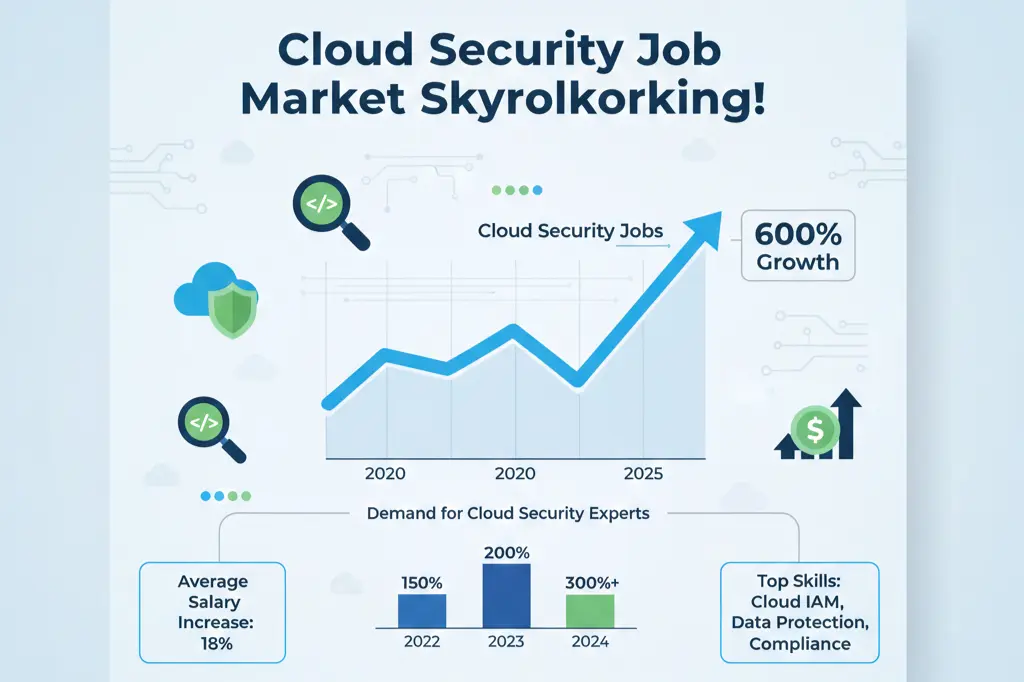
Industry data shows cloud security roles in India growing 115% year-over-year. Not shrinking. Growing. Cities like Hyderabad, Pune, Bangalore, and Gurgaon are hiring aggressively.
Core Concepts Covered in Cloud Security Training
Look, most cloud security certification training programs teach you to pass a test. We’ve found that’s not enough.
Our curriculum at Go Hackers Cloud covers what actually matters in the field. If you’re wondering which certifications align with your career goals, check out our detailed breakdown in cloud security certification training to see the full certification roadmap.
Cloud Security Foundations
You need to understand the shared responsibility model before touching anything else. Seriously. We’ve seen too many learners skip this and wonder why their AWS account got compromised.
- Shared Responsibility Model (what AWS/Azure/GCP secures vs. what YOU secure)
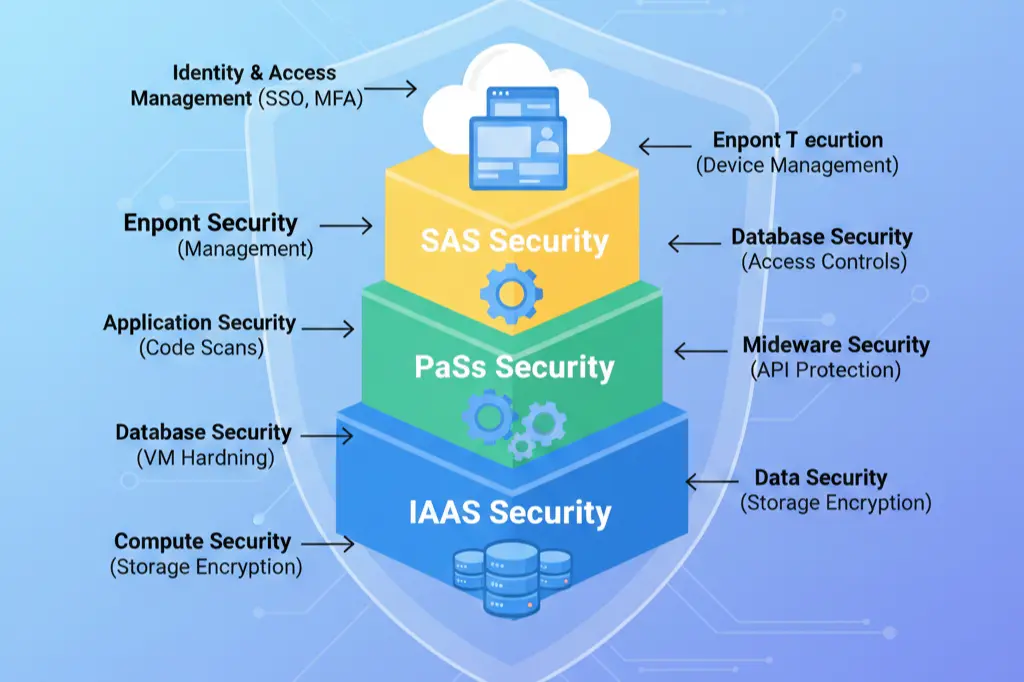
- Cloud service models IaaS, PaaS, SaaS security differences
- Zero Trust architecture (because “trust but verify” is dead)
Identity & Access Security
This is where most breaches start. An overprivileged service account. A forgotten admin key. One misconfigured role.
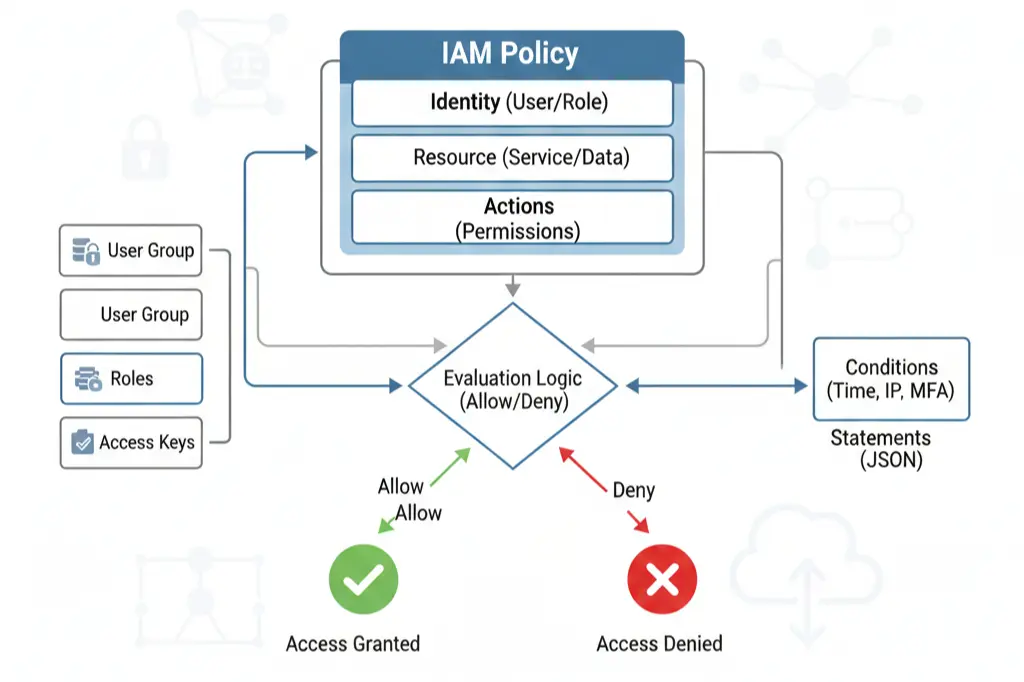
- IAM best practices that actually work
- Role-based access control (RBAC) implementation
- Privileged access management
- Multi-factor authentication strategies
Network & Infrastructure Security
Cloud networking isn’t like your on-prem datacenter. The rules changed.
- VPC/VNET security architecture
- Security groups, NACLs, and firewall configurations
- Secure load balancing and traffic inspection
- Micro-segmentation strategies
Monitoring, Logging & Incident Response
If you’re not logging it, you won’t catch it. Simple as that.
- Cloud-native SIEM tools (Sentinel, GuardDuty, Chronicle)
- Log analysis and threat hunting
- Automated incident response
- Forensics in ephemeral cloud environments
Cloud Platforms Covered (AWS, Azure, GCP)
Here’s a mistake we see constantly: people learn one cloud platform and assume they’re done.
Wrong.
Enterprises use multi-cloud strategies. Your next employer might run AWS for compute, Azure for identity, and GCP for data analytics. You need to be platform-agnostic.
Our cloud security training for AWS Azure GCP gives you hands-on experience across all three major providers.
Amazon Web Services (AWS)
AWS dominates market share but that also means it’s the biggest target.
- IAM policies, GuardDuty threat detection, CloudTrail logging
- S3 bucket security and encryption strategies
- Secure EC2 instance configuration
- VPC design and network isolation
Microsoft Azure
Azure’s tight integration with Active Directory makes it unique. And complex.
- Azure AD and role-based access control
- Azure Defender for Cloud (formerly Security Center)
- Network Security Groups and application security
- Azure Key Vault and secrets management
Google Cloud Platform (GCP)
GCP’s security model is different. Understanding these nuances matters.
- IAM and service account security
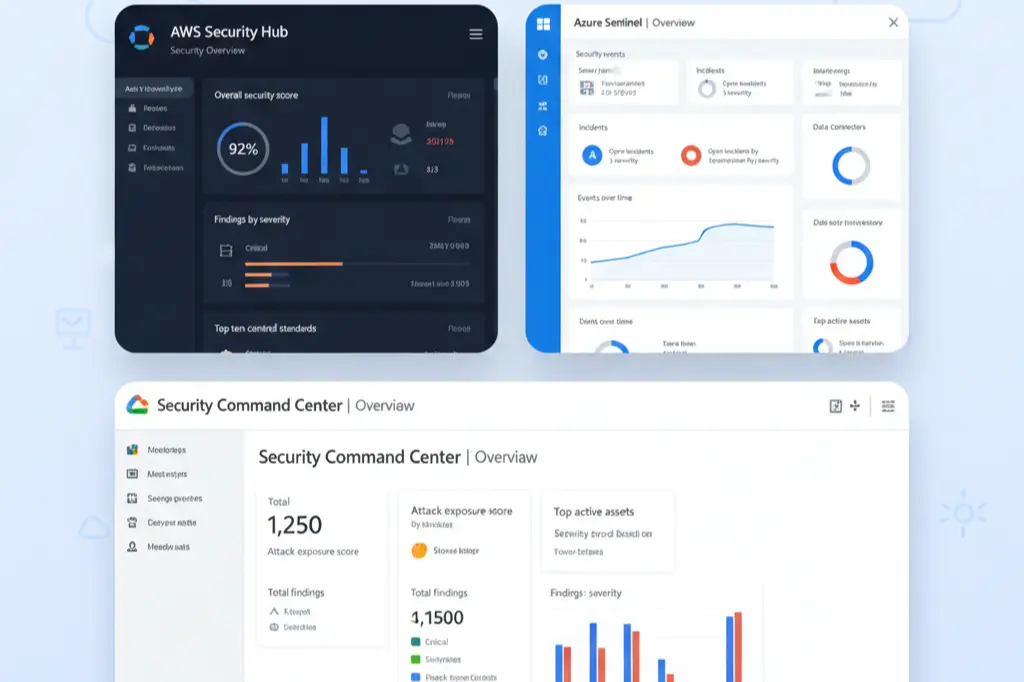
- Cloud Security Command Center
- Secure Kubernetes workloads (GKE security)
- Data loss prevention and classification
Being multi-cloud certified makes you adaptable. Employers notice that.
Tools & Technologies You’ll Learn
A solid cloud security training online program mirrors what security teams actually use. Not outdated tools from 2018.
You’ll gain practical experience with:
- AWS Security Hub – Centralized security findings
- Azure Sentinel – Cloud-native SIEM
- Google Chronicle – Threat intelligence platform
- Terraform – Secure infrastructure as code
- Kubernetes security tools – Pod security, RBAC, network policies
- Open-source scanners – Prowler, ScoutSuite, CloudSploit
We don’t just show you screenshots. You’ll configure these tools, break things, fix them, and understand why they matter.
Hands-On Labs & Real-World Cloud Attacks
Theory is comfortable. Labs are where you actually learn.
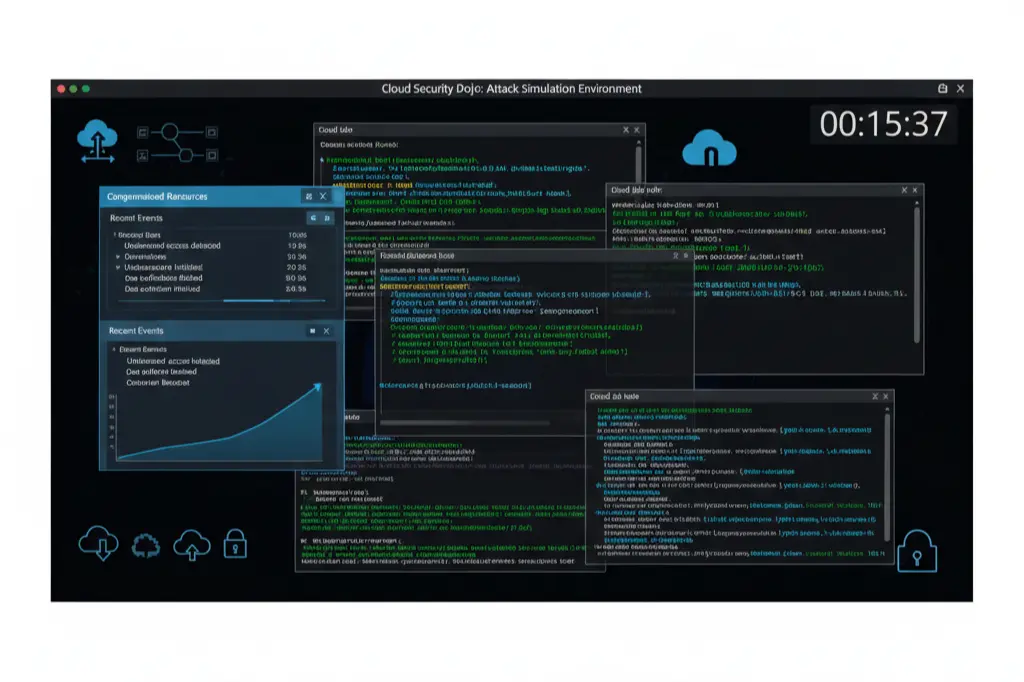
Our cloud security training with hands-on labs throws you into realistic scenarios. The kind that keep security engineers up at night. We’ve documented our entire lab methodology and attack simulation frameworks in our cloud security training with hands-on labs overview take a look to see exactly what you’ll be practicing.
You’ll work through:
- Exploiting publicly exposed S3 buckets (because they’re still everywhere)
- IAM privilege escalation paths
- Cloud malware deployment and persistence techniques
- Lateral movement in cloud environments
- Red team vs. blue team simulations
One of our recent labs simulated a real breach from 2023. Learners had to identify the initial access vector, trace lateral movement, and contain the threat all while documentation logs in real-time.
That’s the difference between passing a test and actually knowing your stuff.
When we tried this approach initially, some learners found it intense. Good. Real breaches are intense. Better to struggle in a lab than freeze during an actual incident.
Career Paths After Cloud Security Training
Completing cloud security training for cybersecurity careers isn’t the end. It’s the starting line.
Here’s where our graduates are landing:
High-Demand Roles
- Cloud Security Engineer – Designing and implementing security controls
- Cloud SOC Analyst – Monitoring and responding to threats
- DevSecOps Engineer – Integrating security into CI/CD pipelines
- Cloud Security Consultant – Advising organizations on cloud security strategy
- Cloud Penetration Tester – Finding vulnerabilities before attackers do
Industries Actively Hiring
Technology and SaaS companies aren’t the only ones hiring. We’re seeing demand across India from:
- IT Services & Consulting (TCS, Infosys, Wipro, HCL, Tech Mahindra)
- Financial services and FinTech (regulatory requirements under RBI)
- Healthcare and PharmaTech (protecting patient data)
- E-commerce and retail giants (Flipkart, Amazon India, Meesho)
- Government agencies and PSUs implementing cloud strategies
Salary ranges in India? Entry-level cloud security roles start around ₹6-8 LPA. Mid-level positions hit ₹12-18 LPA. Senior roles and consultants can command ₹20-35+ LPA. Remote opportunities with international clients can push these figures even higher.
With cloud security training with placement support from Go Hackers Cloud, you’re not just learning you’re preparing for actual interviews, building portfolios, and connecting with hiring partners.
Who Should Learn Cloud Security?
Our cloud security training for beginners works for a surprisingly wide range of people.
You might be:
- An IT professional tired of help desk work in a service-based company
- A network engineer watching everything move to the cloud
- A cybersecurity analyst wanting to specialize
- A cloud engineer (AWS/Azure/GCP) who wants security expertise
- A DevOps professional adding security to your skillset
- A fresh graduate (B.Tech/MCA/BCA) aiming for cybersecurity careers
- A career switcher from non-tech background entering IT security
Here’s the truth: you don’t need an IIT degree or computer science background. You need curiosity, commitment, and willingness to break things (in labs, obviously).
We’ve trained engineers from tier-2 and tier-3 cities, BTech graduates from smaller colleges, and career switchers from completely different fields. What matters is your dedication to learning.
How Go Hackers Cloud Delivers Industry-Ready Training
What makes Go Hackers Cloud different? We asked ourselves that question constantly while building this program.
Real Practitioner Experience
Our instructors aren’t just teachers. They’re active cloud security professionals who’ve responded to real breaches, built security programs, and consulted for enterprises.
When they explain why a particular IAM configuration is dangerous, they’re drawing from incidents they’ve personally investigated. That context matters.
Hands-On First Approach
You’ll spend more time in labs than watching slides. We believe you learn by doing by breaking things, fixing them, and understanding the “why” behind every security decision.
Live instructor-led sessions mean you can ask questions when you’re stuck. Because you will get stuck. That’s part of learning.
Career-Focused Support
Cloud security training with placement support includes:
- Resume reviews and optimization
- Mock interviews with feedback
- Portfolio project guidance
- Introduction to hiring partners
- Career roadmap planning
We’ve seen too many people gain skills but struggle to land jobs because they couldn’t articulate their value. We fix that.
Community & Continuous Learning
Join our Discord community at https://discord.gg/BAyGgwq4H where learners and professionals share resources, discuss challenges, and support each other. Cloud security evolves constantly your learning shouldn’t stop after the course.
Learn more about our training methodology at https://gohackerscloud.com/

Certifications & Skill Validation
Our cloud security certification training prepares you for globally recognized credentials:
- AWS Certified Security – Specialty
- Microsoft Certified: Azure Security Engineer Associate
- Google Professional Cloud Security Engineer
- Certified Cloud Security Professional (CCSP)
But here’s something important: certifications validate knowledge. Hands-on experience makes you employable.
We’ve met plenty of people with certifications who freeze when asked to configure a security group. Don’t be that person.
Our program ensures you can both pass the exam and do the actual work. That’s the standard that matters.
FAQs About Cloud Security Training
Is cloud security training suitable for complete beginners?
Absolutely. Our program starts from fundamentals what is cloud computing, basic networking, security principles and progressively builds to advanced attack and defense scenarios. We’ve trained people with zero IT background who are now working as cloud security analysts.
Do I need prior experience with AWS, Azure, or GCP?
No prior cloud experience required. Basic computer literacy and willingness to learn are the only prerequisites. We introduce each platform from scratch before diving into security specifics.
Is this cloud security training online or in-person?
We offer fully online cloud security training with live instructor-led sessions and 24/7 lab access. Learn from anywhere while getting real-time support and interaction.
How long does the training take?
Most learners complete the program in 12-16 weeks with 10-15 hours per week commitment. We offer flexible scheduling because we understand you might be working full-time in a 9-to-6 job or managing multiple responsibilities.
Will I receive placement support after completing the training?
Yes. Go Hackers Cloud provides comprehensive career support including resume optimization, interview preparation, portfolio guidance, and introductions to hiring partners. We’re invested in your success beyond course completion.
Which cloud platforms are covered in the training?
All three major platforms: Amazon Web Services (AWS), Microsoft Azure, and Google Cloud Platform (GCP). You’ll gain multi-cloud expertise that makes you valuable across different enterprise environments.
What makes your training different from other programs?
We focus on real-world application over test preparation. While we do prepare you for certifications, our primary goal is making you job-ready through hands-on labs, real breach scenarios, and practical security implementations. Check out our approach at https://gohackerscloud.com/
Can I access course materials after completing the training?
Yes. You retain lifetime access to course materials, lab environments, and updates. Cloud security evolves we evolve the content and you benefit from continuous improvements.
Start Your Cloud Security Journey Today
The cloud security skills gap in India isn’t closing. It’s widening.
While Indian organizations struggle to find qualified professionals, you have an opportunity to position yourself in one of cybersecurity’s fastest-growing specializations. Whether you’re in Bangalore, Hyderabad, Pune, Delhi NCR, or anywhere across India this is your chance.
Ready to stop watching from the sidelines?
Enroll in Go Hackers Cloud’s cloud security course and start building real-world skills that employers actually need
Learn from practitioners who’ve been in the trenches
Practice in hands-on labs that simulate actual cloud breaches
Join a community of learners and professionals committed to cloud security excellence
This isn’t just training. It’s your entry point into a cybersecurity career that matters.
Visit https://gohackerscloud.com/ to explore our program, read success stories, and take the first step toward becoming a cloud security professional. Your future self will thank you.
Connect with our community on Discord and start learning alongside others who share your goals.
The question isn’t whether cloud security is the right career path. The question is: are you ready to commit to mastering it?